

Picking the Best Navel Oranges
 The art of picking the perfect produce has been the subject of much discussion, debate, and even fighting over the years. Everyone seems to think they have the perfect formula for finding the perfect fruits and vegetables. This is true of navel oranges, especially. The reason is because the fruit of the orange is behind such a thick skin. This lends itself to guessing as to what may lie underneath that flesh. Thankfully, this article will take the guesswork out of choosing the best navel oranges that your grocer or farmers market has to offer. Follow these handy tips and you will never bite into an old, bitter or tasteless set of navel oranges every again.
One of the few things that produce picking experts may agree on is that most (though certainly not all) produce should feel heavy in your hand. This is very much the case for navel oranges. If you pick up a navel orange and it feels lighter than it looks, run away! Well, maybe you should not run away, but you certainly should not buy any navel oranges that do not feel as heavy as they look. The heavier the fruit, the juicier the inside will be. And is that not the whole point of navel oranges, to be juicy? Less weighty navel oranges could indicate that the fruit inside has not only dried out some but may not be sweet. Nobody likes a tasteless bag of navel oranges!
The next step in selecting the perfect navel oranges is to check the scent. Take a quick sniff of the outer peel, and the button area at the top that resembles a human navel (and gives navel oranges their unique name). It should smell fresh, not old, fermented, or musky. If it smells like anything other than orange peel, you will not want to buy those particular navel oranges.
Check the peel for inconsistencies. The color should be fairly uniform. White spots could indicate damage during shipment, which would mean bruised navel oranges once you peel it. Spots of darker or lighter color could mean the same thing in navel oranges. Also, the peel should feel like it is attached to the inner fruit everywhere. If any part of the peel feels like it has been separated from the inner fruit, then it is likely starting to rot and will not be tasty (not to mention safe!) to eat.
Of course, like any fruit, you should check your navel oranges for shriveling, cuts in the rind or any other signs of obvious damage. These could all indicate bad navel oranges. Keeping these tips in mind when selecting navel oranges will ensure you get the most bang for your buck, and your taste buds.
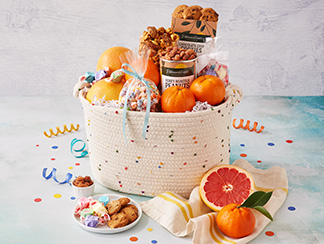
Farm Fresh Gifts Since 1926
For nearly a century, Pittman & Davis has shared the bold, sun-kissed flavors of the Rio Grande Valley and beyond. From tree-ripened citrus to smoked meats, pastries, and handcrafted specialties, every gift reflects the land it comes from, the people who craft it, and the unforgettable taste it delivers.
Shop Now