
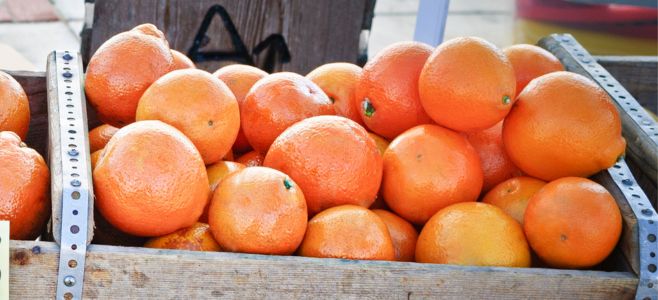
A thin skin makes Honeybells easy to peel, but also makes them far more delicate in the field. We cradle each individual Honeybell by hand and pick them by clipping the stem. This method is slower, but we do it to ensure that your Honeybells always arrive in perfect condition. Honeybells are a cross between the richly flavored Dancy Tangerine, and the honey-sweet Duncan Grapefruit. The result is a 3-inch delight that is bell-shaped, easy to peel, has very few seeds, and a treasured taste. These bright orange, ripe Honeybells in our groves have a very short season. They are…
All posts in Uncategorized
-
 Continue Reading
Not all oranges are created equal. Some are sweeter than the others, some are bigger, some more tart than sweet, some juicier, some are seedless and some more appetizing than other varieties. This is true when comparing the two most popular winter citrus oranges – the premium Honeybell orange and the sweet Navel orange – both are outstanding but each has its own charm. So what really sets apart one from the other? Origin Honeybell fruit is not really an orange although a lot of people mistake it for one. Honeybells are tangelos or a citrus fruit hybrid of tangerine…
-
 Continue Reading
Genus citrus from the flowering family Rutaceae is one of the few taxonomic groups where mutation is a common thing. Genetically mutated fruit or bud sports appear and show characteristics that are different compared to the rest of the tree. The same is true for Cara Cara Oranges – a hybrid mutation between the Washington and Brazilian Bahia navel oranges. It was discovered in 1976 at Hacienda Cara Cara in Venezuela growing on a Washington Navel Orange tree. Similarities Before we talk about their differences let us first discuss the similarities between the sweet navel orange and Cara Cara oranges.…
-
 Continue Reading
Have you ever wondered what makes Honeybells so unique in the citrus world? Let’s dive straight into the juicy details. Sweet Origin Honeybells, scientifically known as Citrus reticulata × Citrus paradisi, are a hybrid citrus fruit resulting from crossbreeding a tangerine and a grapefruit. This unique combination combines the best of both worlds, creating a fruit with a distinct flavor profile that sets it apart. Seasonality One of the charms of Honeybells lies in their limited availability. These delightful citrus gems briefly appear on the scene during winter, typically from January to February. So, if you’re a fan, be sure…
-
 Continue Reading
The holiday season is synonymous with festive flavors, and one treat that takes center stage is the humble yet iconic fruit cake. Let’s delve into the origins, seasonality, nutritional facts, and what makes this confection a timeless holiday tradition. Unveiling the Roots The roots of the fruit cake can be traced back to ancient times when dried fruits and nuts were mixed with honey, spices, and grains to create a portable, long-lasting energy source. Over the centuries, variations of this concoction spread across different cultures and regions, eventually evolving into what we now recognize as the fruit cake. A Winter…
-
 Continue Reading
Grapefruits, with their juicy allure and tangy sweetness, are a citrus delight loved by many. However, when shipping these succulent fruits to someone with diabetes, questions about safety naturally arise. Let’s cut to the chase and explore the ins and outs of whether it’s safe to ship grapefruits to a diabetic. Understanding the Basics First and foremost, it’s crucial to comprehend how grapefruits can impact blood sugar levels. Grapefruits are a low-glycemic fruit, meaning they have a minimal impact on blood sugar when consumed in moderation. They score low on the glycemic index, a scale that measures how quickly a…
-
 Continue Reading
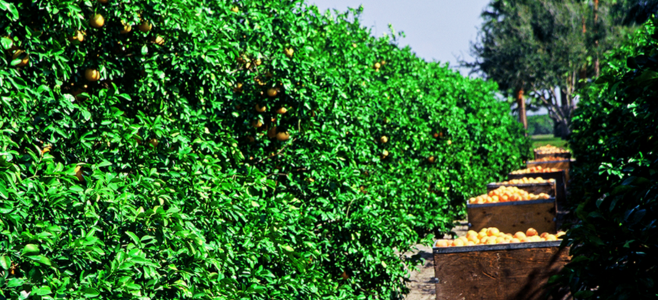
Grapefruit, a nutritional powerhouse born from the Caribbean sun, has become a dietary delight across the globe. Let’s dive into the juicy details of why grapefruit is more than just a tangy treat, exploring its varieties and unique attributes. Origin and Varieties Dating back to the 18th century, grapefruit is a citrus hybrid born from a pomelo and an orange union. The result? A tangy-sweet flavor that distinguishes itself among citrus fruits. Classic Pink and Red: These varieties boast a sweeter profile, adding color and flavor to your palate. White and Yellow: The white and yellow grapefruits offer a different…
-
 Continue Reading
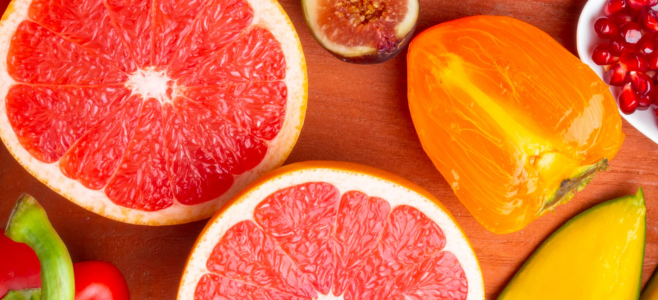
Our love of farming and dedication to the land that supports it, not only preserves open space filled with plant life, but helps us harvest remarkable crops like these Ruby Red Grapefruit. Well before fruit appears, we spend long days pruning trees, giving them proper nutrition, and efficiently delivering their life-giving water. When the grove is decorated with bright, healthy citrus, we know all of our work is well worth it. When we see the faint red blush, perfect roundness, and ample sizes that indicate an ideal balance of sweetness and pleasing acidity, we know the Ruby Red Grapefruits are…
-
 Continue Reading
Turning to fruits is a smart move in the quest for a fiber-rich diet. These nutritional powerhouses satisfy your sweet cravings and keep your digestive system in top-notch condition. Let’s cut to the chase and explore the fruits that stand out in the fiber department, with a special spotlight on oranges and grapefruits. Fruits With the Most Fiber 1. Pears: Pears are fiber champions, offering soluble and insoluble fiber. The bulk of the insoluble fiber resides in the skin, promoting healthy digestion. One medium-sized pear packs around 6 grams of fiber, making it a delicious and convenient snack. 2. Avocado:…
-
 Continue Reading
When it comes to citrus choices, grapefruits, and navel oranges are popular contenders. Let’s dive straight into the top five differences, exploring not only flavor and appearance but also the nutritional benefits, cultivars, and seasonal availability of these two citrus heavyweights. Flavor Profile Grapefruits, renowned for their tangy and slightly bitter taste, offer a distinct flavor compared to the sweet and refreshing profile of navel oranges. The zingy notes of grapefruit can be an acquired taste, while the straightforward sweetness of navel oranges makes them a universally loved snack. Color Palette A visual distinction lies in their hues. Grapefruits, with…