

Oranges, known for their vibrant flavor and juicy sweetness, are temperamental fruits. They thrive in warm, humid climates and under the sun’s gentle embrace. However, when temperatures dip below 20 degrees Celsius, orange crops face the risk of damage, posing a significant challenge for growers. In the United States, oranges are primarily cultivated for commercial distribution in four states: Florida, California, Texas, and Arizona. Today, we’ll delve into the allure of Texas oranges and discover why they’ve earned a spot in the limelight. A Closer Look at Texas Oranges Despite their exceptional taste, Texas oranges play a relatively minor role…
All posts in Fruit Information
-
 Continue Reading
The key to keeping your Texas grapefruit at its prime is to strategize based on your consumption timeline. Whether you’re diving in right away or stocking up for future delights, understanding how to store your grapefruit is essential for preserving its irresistible taste. Immediate Use: Room Temperature Reigns If you’re eager to enjoy your Texas grapefruit within a couple of days, there’s no need to rush to the fridge. Simply keep them at room temperature, just as you bought them. However, ensure they’re not stacked too tightly to prevent bruising, which can alter their taste and texture. Future Indulgence: Embrace…
-
 Continue Reading
Whether you’re a Texas native or just passing through, don’t miss the chance to indulge in the juicy goodness of a navel orange. While locally grown navel oranges are unavailable from June through August and in December, fear not—California varieties are still on the market year-round. But there’s something special about enjoying local produce in season—it’s not just a treat for your taste buds, but also a boost for the local economy. A Traveler’s Delight Immersing yourself in the local culinary scene is part of the adventure for visitors to Texas. While Texas is renowned for its mouthwatering dishes like…
-
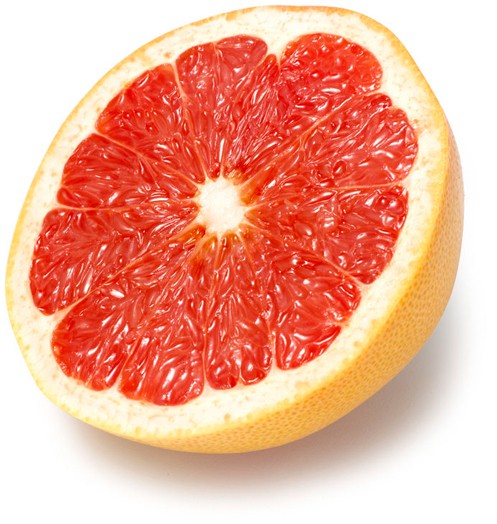 Continue Reading
The nutritional properties of ruby red grapefruit are vast. It is becoming more and more popularly used by alternative medicine practitioners in the United States of America and around the world. Because the United States of America is the largest producer of ruby red grapefruit, it is easy to find the fruit in your produce market, ruby red grapefruit juice in your grocer's refrigerator section and the essential oils of grapefruit in your local health store. Ruby red grapefruit is used as an anti-inflammatory to reduce muscle stiffness and reduce headaches. It is also great for jet-lag related ailments. It…
-
 Continue Reading
Image by ladybugbkt via Flickr The modern grapefruit is available in three popular varieties: the white, the pink and the red. In this article we are going focus on the nutritional differences between these three varieties in an attempt to determine which is the healthiest. Fortunately, each grapefruit has an interesting tale to tell, so it shouldn't be too tedious. The very first grapefruit crop was cultivated in the 17th century on the island of Jamaica. It was a cross between the Indonesian Pomelo and the native Jamaican orange. At the time, all grapefruits were white grapefruits that had a…
-
 Continue Reading
Most doctors recommend oranges to their patients because these fruits are rich in vitamins and minerals that are good for the body. Studies show that oranges, especially navel oranges, contain large amounts of Vitamin C and B complex that help tamper the body’s resistance against diseases. Navel oranges also contain folic acid that is essential for proper neural development. However, eating too many navel oranges may have some mild to serious side effects. Note that taking too much of the good thing can be harmful so even if oranges contain a lot of healthy elements that the body needs, we…
-
 Continue Reading
Image by wester via Flickr First documented by a Welsh explorer in 1750 on the island of Barbados, the modern grapefruit has a number of appealing varieties. The three basic grapefruit colors are white, pink and red. But for centuries the only grapefruits were white grapefruits. What happened? Though we know quite a bit about the white grapefruit–where and when it first appeared and how it made its way to America–we know very little about the pink grapefruit. According to reliable reports, the white grapefruit was brought to America in 1823. It landed in the citrus fruit producing state of…
-
 Continue Reading
America is the world leader in grapefruit production with over one-third of the annual output. But the exotic island fruit almost didn't make it in New World. In fact, it was a veritable flop when it first arrived. Brought to Florida in 1823 by a Spanish count, the grapefruit was roundly rejected by local populations. These early Floridians were turned off by the sour taste of the oversized fruit. And that is not surprising. After all, they had been eating sweet oranges for centuries. By the time the first grapefruit crops were planted, orchard owners were already selling oranges commercially.…
-
 Continue Reading
Image via Wikipedia The grapefruit came to Texas at the end of the 19th century. At the time, farmers in the Lone Star State were desperate for a new agricultural crop. Cattle and cotton was king, but there was a decided dearth or fruit and vegetable crops. But even so, expectations were low in the wake of the grapefruit's utter failure in Florida. Why had it failed? Well, it's impossible to blame the grapefruit alone. The fact is the decked was stacked against it from the start. For one thing, the grapefruit was forced to compete against the mighty orange,…
-
Continue Reading
When it comes to beating back the common cold, you just can beat a grapefruit! Whether you’re slicing it in half for a fresh start of your day or downing a glass of grapefruit juice to quench your thirst, you’ll be getting up to 80% of the recommended daily dose of vitamin C. That’s going to be your best, first defense against a cold. But there is so much more going on with that delightful piece of citrus. Here are five amazing reasons for eating grapefruit that you probably didn’t know. 1. Assists With Detoxing Your Liver Your liver is…